Role of
Regenerative Medicine
Regeneration starts where
conventional medicine ends
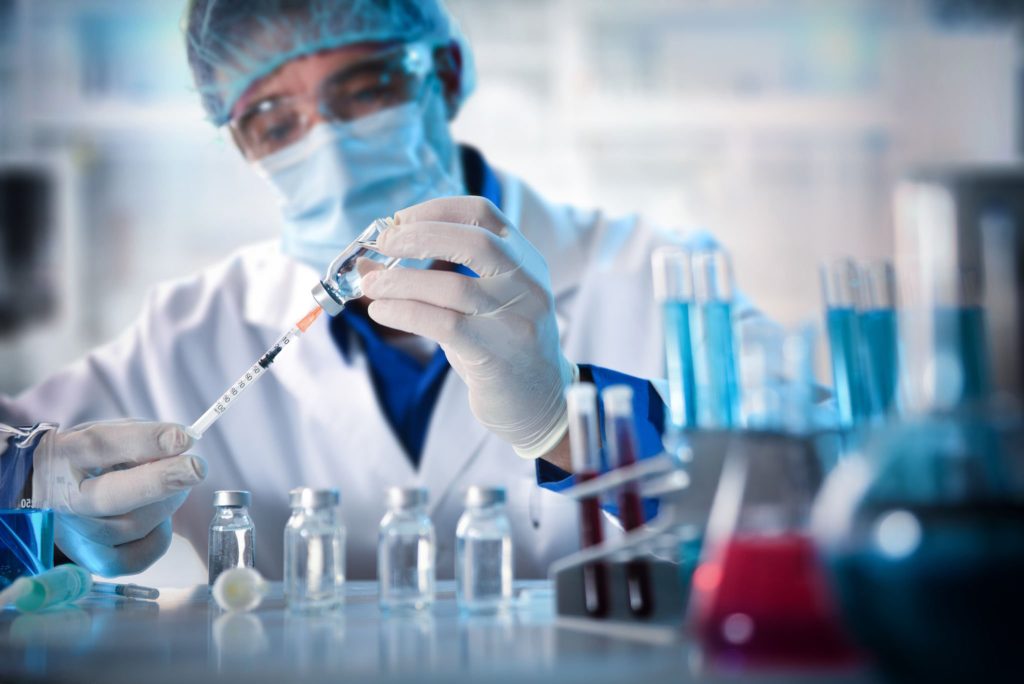
Our protocols utilise meticulously designed molecules that facilitate tissue regeneration, restore functional capabilities,
and enhance the recovery process.
THE NEED FOR A NEW MEDICAL PARADIGM
For decades, conventional medicine has excelled in diagnosing disease, suppressing symptoms, and stabilising organ function. Yet, it largely falls short in restoring what illness has damaged—the cells, tissues, and biological systems that constitute the human body.
Most clinical guidelines focus on managing disease aetiology, such as antibiotics for infections, insulin for diabetes, or antihypertensives for high blood pressure. However, this approach leaves tissue recovery largely unsupported.
Regenerative medicine represents a necessary evolution of care, focusing on restoring biological structure and function rather than merely controlling symptoms.
What is Regenerative Medicine?
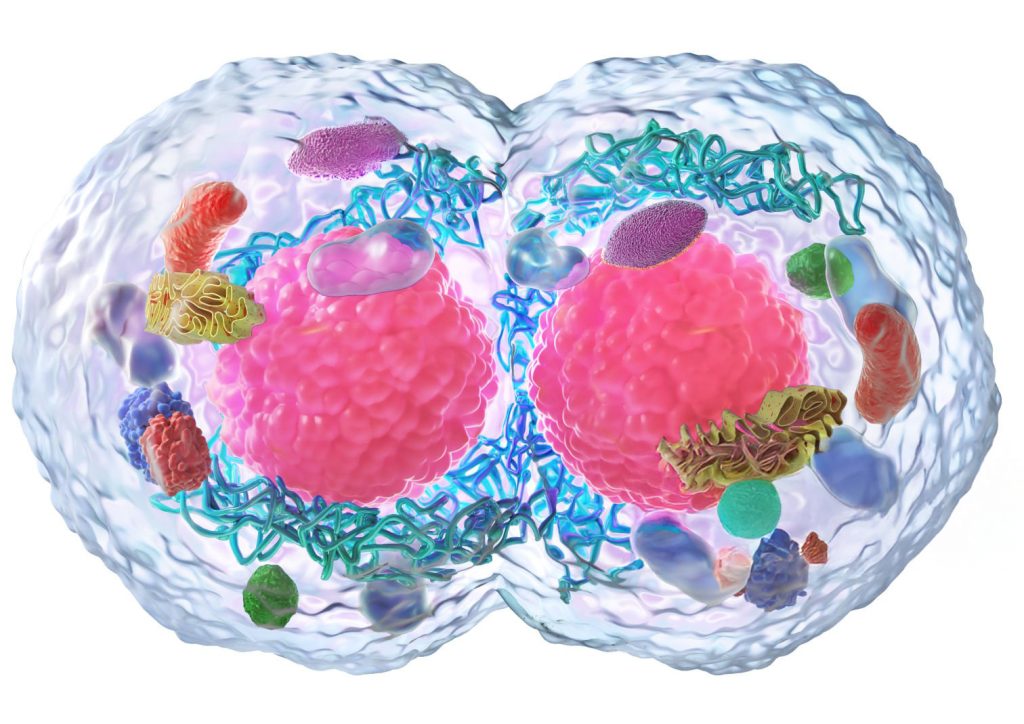
Regenerative medicine is a biologically intelligent system of care centred on the repair, renewal, and reprogramming of cells and tissues using:
- Embryonic or fetal-derived peptides and matrices
- Organ-specific molecular signals
- Stem cell extracts and exosomes
- Amino acids, growth factors, and immune modulators
- Nano-sized biological interventions
The ACE Pico Protocol reduces cells to pico-sized bioactive molecules that can signal regeneration without triggering an immune response or toxicity.
WHY REGENERATIVE MEDICINE IS CLINICALLY CRITICAL?
1. Disease damages cells beyond what medication can repair.
Conventional treatments may stabilise the disease but often fail to reverse tissue damage. Regenerative medicine supplies biological materials required for proper repair.
2. Essential regenerative components are not available through food or drugs.
Many regenerative peptides cannot survive digestion and must be delivered through specialised routes.
3. Aging and disease inhibit natural regeneration.
Factors such as inflammation, fibrosis, oxidative stress, and stem cell depletion reduce healing capacity. Regenerative therapies address these barriers directly.
Clinical Applications
Neurological Repair
Supports neural regeneration in conditions such as stroke, multiple sclerosis, and Parkinson’s disease.

Retinal and Optical Regeneration
Aids the regeneration of retinal and corneal tissues.
Cardiac Repair
Improves myocardial survival and cardiac function after injury.v
Wound Healing
Accelerates healing and restores skin integrity in severe wounds.
Renal and Liver Support
Promotes nephron repair, detoxification, and fibrosis reduction.
Dermatological Regeneration
Enhances skin renewal, pigmentation balance, and collagen synthesis.